
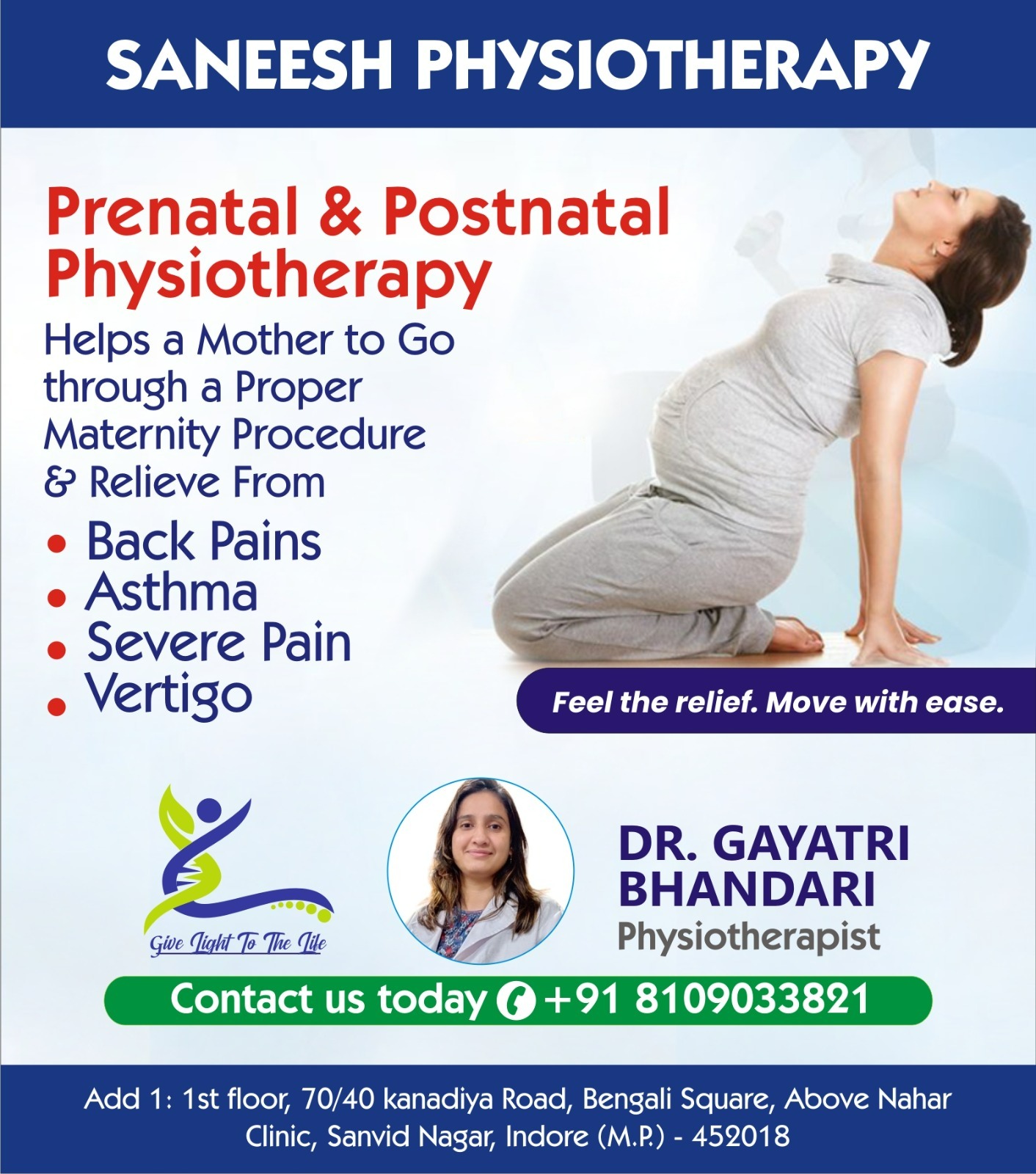
Prenatal and Postnatal Physiotherapy in Indore for a Safer, More Comfortable Motherhood Journey
Pregnancy and childbirth bring remarkable changes to a woman’s body. As the baby grows, altered posture, increased body weight, hormonal changes and additional pressure on the pelvic region can affect everyday movement. Some women experience lower-back discomfort, pelvic pain, muscle weakness, reduced balance or difficulty performing routine activities. After delivery, the body must gradually recover from pregnancy, labour, a caesarean birth or perineal trauma.
Prenatal and Postnatal Physiotherapy in Indore provides personalised movement and rehabilitation support before and after childbirth. It focuses on safe exercise, posture, pelvic-floor function, breathing, strength, mobility and gradual recovery. The programme should always be adapted to the mother’s trimester, delivery history, symptoms and medical guidance.
Women with healthy, uncomplicated pregnancies are generally encouraged to remain physically active. However, exercises should be selected carefully, particularly when pain, bleeding, dizziness, pregnancy complications or medical restrictions are present.
What Is Prenatal Physiotherapy?
Prenatal physiotherapy, also called antenatal physiotherapy, is specialised physical care provided during pregnancy. Its purpose is to help the expecting mother move comfortably, maintain useful strength and manage pregnancy-related musculoskeletal concerns.
A prenatal physiotherapy plan may include:
The programme is not a general fitness class. Exercises are chosen after considering the pregnancy stage, activity history, pain level and recommendations from the obstetrician.
This service is intended to support a mother through the physical changes of pregnancy and the recovery period after childbirth.
Physiotherapy does not replace antenatal check-ups, obstetric care or medical treatment. Instead, it can work alongside maternity care to improve movement confidence, promote safe activity and address specific muscle or joint concerns.
A personalised session may assess:
This individual approach is important because every pregnancy and postpartum recovery is different.
Why Physical Discomfort Can Develop During Pregnancy
As pregnancy progresses, the centre of gravity shifts and additional weight places greater demand on the back, hips and legs. Pregnancy hormones also prepare the body for childbirth and can affect joint stability.
Common concerns may include:
Lower-Back Pain
A growing abdomen can change the natural alignment of the spine and increase strain on the lower-back muscles. Prolonged sitting, standing or unsuitable sleeping positions may make the discomfort worse.
Pelvic Girdle Pain
Pain may be felt near the pubic bone, hips, groin, lower back or buttocks. Activities such as climbing stairs, turning in bed, standing on one leg or getting out of a vehicle may become uncomfortable.
Postural Strain
Rounded shoulders, an increased lower-back curve and forward head posture may develop as the body adjusts. Posture training and supportive strengthening can help reduce unnecessary muscular strain.
Reduced Core Control
The abdominal wall gradually stretches to accommodate the baby. Safe exercises may help maintain functional core support without placing excessive pressure on the abdomen.
Pelvic-Floor Stress
The pelvic-floor muscles support the bladder, bowel and reproductive organs. They come under greater strain during pregnancy and childbirth, making appropriate pelvic-floor training valuable for many women.
Benefits of Prenatal Physiotherapy
A carefully planned pregnancy physiotherapy programme in Indore may help the expecting mother:
For healthy pregnant women without contraindications, regular moderate activity is generally encouraged. WHO recommends that pregnant and postpartum women without medical restrictions undertake regular physical activity, including aerobic and muscle-strengthening activities.
However, the type, intensity and duration should be modified when necessary. A woman who was previously inactive should not suddenly begin strenuous training during pregnancy.
What Is Postnatal Physiotherapy?
Postnatal physiotherapy supports physical recovery after childbirth. It may be helpful after a vaginal delivery or caesarean birth and can address muscle weakness, movement discomfort, pelvic-floor symptoms, abdominal separation and difficulties returning to normal activity.
Postpartum recovery does not happen at the same pace for every mother. The delivery type, complications, sleep, nutrition, pain, activity level and caregiving demands can influence progress.
A postnatal rehabilitation plan may include:
ACOG advises that physical activity after delivery should resume gradually when medically safe, depending on the mode of birth and the presence of complications. Pelvic-floor exercises may often be started early, but individual medical guidance remains important.
Common Postpartum Problems Physiotherapy May Address
Pelvic-Floor Weakness
Some women experience urine leakage while coughing, sneezing, laughing or exercising. Pelvic-floor exercises can strengthen the muscles around the bladder, vagina and bowel. Technique matters because incorrect downward pushing may worsen certain symptoms.
Diastasis Recti
During pregnancy, the abdominal muscles may separate along the midline. A physiotherapist can assess the abdominal wall and recommend controlled exercises based on the degree of separation and functional symptoms.
Back, Neck and Shoulder Pain
Feeding, lifting, carrying and caring for the baby may involve prolonged or repetitive postures. Ergonomic guidance and strengthening can help reduce unnecessary strain.
Caesarean Recovery
After medical clearance, physiotherapy may support gentle movement, posture, breathing, abdominal activation and gradual restoration of daily function. Scar assessment or mobilisation should only be performed when healing is adequate and the treating medical professional considers it appropriate.
Pelvic Heaviness or Prolapse Symptoms
A sensation of pressure, dragging or vaginal heaviness requires professional assessment. Pelvic-floor rehabilitation may be part of management, but significant or worsening symptoms should also be discussed with a gynaecologist.
Difficulty Returning to Exercise
Running, jumping or intense workouts too early may place unnecessary pressure on healing tissues. A phased plan helps rebuild strength, balance, endurance and pelvic-floor control before high-impact exercise.
For structured maternity-focused rehabilitation, Saneesh physiotherapy and rehabilitation centre – Dr. Gayatri Bhandari provides individual assessment and exercise planning for women during pregnancy and after childbirth.
Pelvic-Floor Physiotherapy During and After Pregnancy
Pelvic-floor care involves more than repeatedly performing Kegel exercises. The muscles must be able to contract, relax and coordinate with breathing and abdominal activity.
A physiotherapist may teach:
Some women have weakness, while others have overly tight or poorly relaxing pelvic-floor muscles. Therefore, an assessment is preferable to following a one-size-fits-all online routine.
Safe Exercise Guidance During Pregnancy
Exercise recommendations should be personalised. For an uncomplicated pregnancy, suitable activities may include walking, light strengthening, prenatal mobility exercises and gentle stretching.
Important precautions include:
Physical activity is considered safe for most healthy pregnancies and does not increase the risk of miscarriage, low birth weight or early delivery when undertaken appropriately.
When Should Exercise Be Stopped?
Stop exercising and seek medical advice if you experience:
These signs require medical assessment rather than physiotherapy alone.
Returning to Exercise After Delivery
After an uncomplicated birth, some women may begin gentle walking, stretching and pelvic-floor exercises when they feel ready. High-impact exercise generally requires a more gradual return and should be discussed at the postnatal review, particularly after caesarean delivery or complications.
A progressive return may involve:
Pain, heaviness, urine leakage or increased bleeding during activity can indicate that the body needs more recovery time or professional assessment.
Everyday Movement Tips for New Mothers
Simple changes can make daily caregiving more comfortable:
posture while feeding, changing and lifting the baby can reduce strain on the back and pelvic floor.
Who Can Consider Prenatal or Postnatal Physiotherapy?
Assessment may be useful for women experiencing:
Severe pain, neurological symptoms, fever, wound concerns, heavy bleeding or sudden swelling should first receive medical evaluation.
Frequently Asked Questions
1. When can prenatal physiotherapy be started?
It may be started at different stages of pregnancy depending on symptoms, health status and obstetric guidance. Women with complications should obtain approval from their maternity-care provider before beginning exercise.
2. Is physiotherapy safe after a caesarean birth?
Gentle movement and breathing work may be appropriate during early recovery, but abdominal strengthening, scar work and advanced activity must be progressed according to wound healing and medical clearance.
3. Can postnatal physiotherapy help with urine leakage?
Pelvic-floor assessment and correctly performed exercises may help manage postpartum leakage. Persistent, painful or worsening symptoms should be evaluated rather than accepted as a normal long-term consequence of childbirth.
4. How long does postnatal rehabilitation take?
Recovery time varies according to delivery type, symptoms, muscle condition, sleep, general health and consistency with the prescribed programme. The physiotherapist should review progress and adjust exercises gradually.
Consult for Prenatal and Postnatal Physiotherapy in Indore
Pregnancy and postpartum recovery should not require women to tolerate ongoing pain, weakness or movement difficulty without support. Individual physiotherapy can help mothers understand their changing bodies, exercise safely and rebuild strength at a suitable pace.
Consult Saneesh physiotherapy and rehabilitation centre – Dr. Gayatri Bhandari for personalised Prenatal and Postnatal Physiotherapy in Indore, pelvic-floor rehabilitation, posture guidance and gradual recovery planning.
Contact Us Today to Schedule Your Physiotherapy Assessment and Begin a Safer, More Comfortable Maternity Recovery Journey.
| Tags: | #Prenatal and Postnatal Physiotherapy in Indore |


